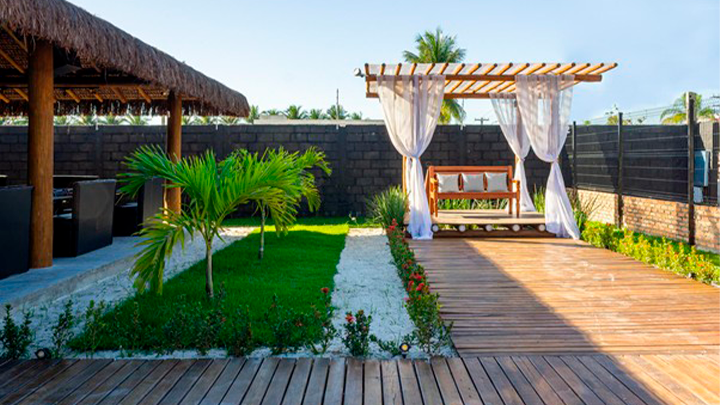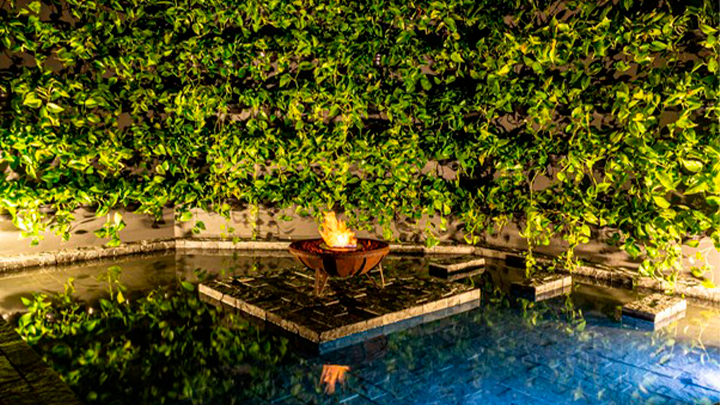
Biophilia is a concept that is increasingly gaining ground in contemporary architecture. The term, derived from Greek, means “love of life” and reflects the innate need of human beings to connect with nature. In the architectural context, biophilia translates into the incorporation of natural elements into built spaces, promoting well-being, quality of life and sustainability.
The relationship between environment and health has been widely studied, and research indicates that biophilic spaces reduce stress, improve productivity and stimulate creativity. Natural light, cross ventilation, integrated vegetation, the use of organic materials and forms inspired by nature are some of the strategies applied to bring users closer to the natural environment.
One of the most impressive examples of biophilic architecture is the Bosco Verticale (or “Vertical Forest”), located in Milan, Italy.
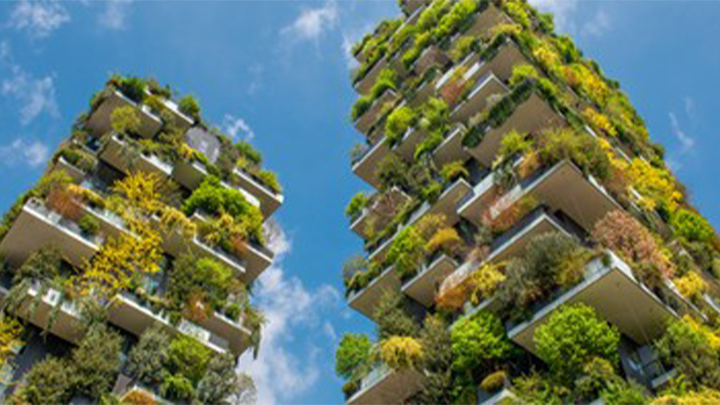
This residential complex, designed by architect Stefano Boeri, has become a global icon by transforming skyscrapers into veritable urban forests. It has around 800 trees, 5,000 shrubs and 11,000 smaller plants, from a simple camellia to a magnolia, olive, jasmine and acacia, among others. This green arsenal provides a 2 to 3 degree Celsius reduction during the summer, generating energy savings.
Thus, Bosco Verticale not only purifies the air, but also regulates the internal temperature of buildings, reducing the need for artificial air conditioning. According to a BBC article from November 2014, the Bosco Verticale condominium won the International Highrise Award, considered the “Nobel Prize” of architecture dedicated to large developments.
See the full article in “Milan’s hanging forest could indicate the architectural future of metropolises”, written by Guilherme Aquino.
The impact of buildings like this goes beyond aesthetics. This approach suggests a new paradigm for increasingly dense cities, where green spaces need to be the protagonist to mitigate the effects of climate change. In Brazil, where we face similar climate challenges, incorporating biophilic solutions could be a way to create healthier and more resilient urban spaces.
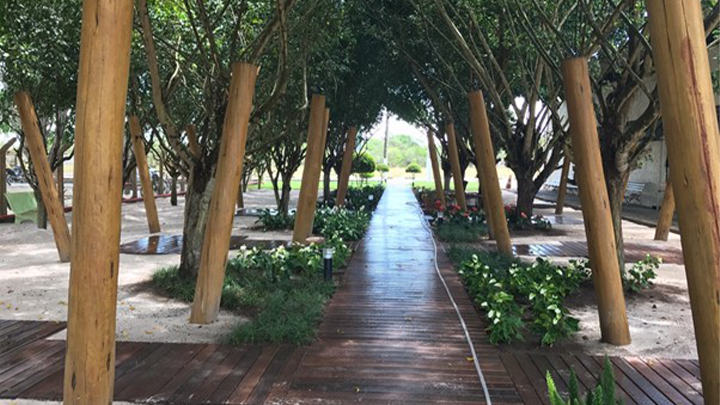
Architects and architecture enthusiasts in Brazil have much to learn and adapt from the biophilic concept. The diversity of Brazilian flora and the modernist tradition that values the relationship between interiors and exteriors offer fertile ground for innovation. Incorporating vertical gardens, green roofs, permeable spaces and sustainable materials can transform not only buildings, but the urban experience itself.
Biophilia is not just a trend; it is a necessity. Creating spaces that engage with nature is about designing a more balanced future. Architects have the opportunity and responsibility to lead this transformation, making every building an extension of the natural world.
May biophilia inspire new ways of inhabiting, building and living.